

| |
| Home |
| BIOGRAPHY |
| FILMOGRAPHY |
| CURRENT PROJECT |
| PRESS |
| CONTACT |
From Grain to Painting
 |
||||||||||||
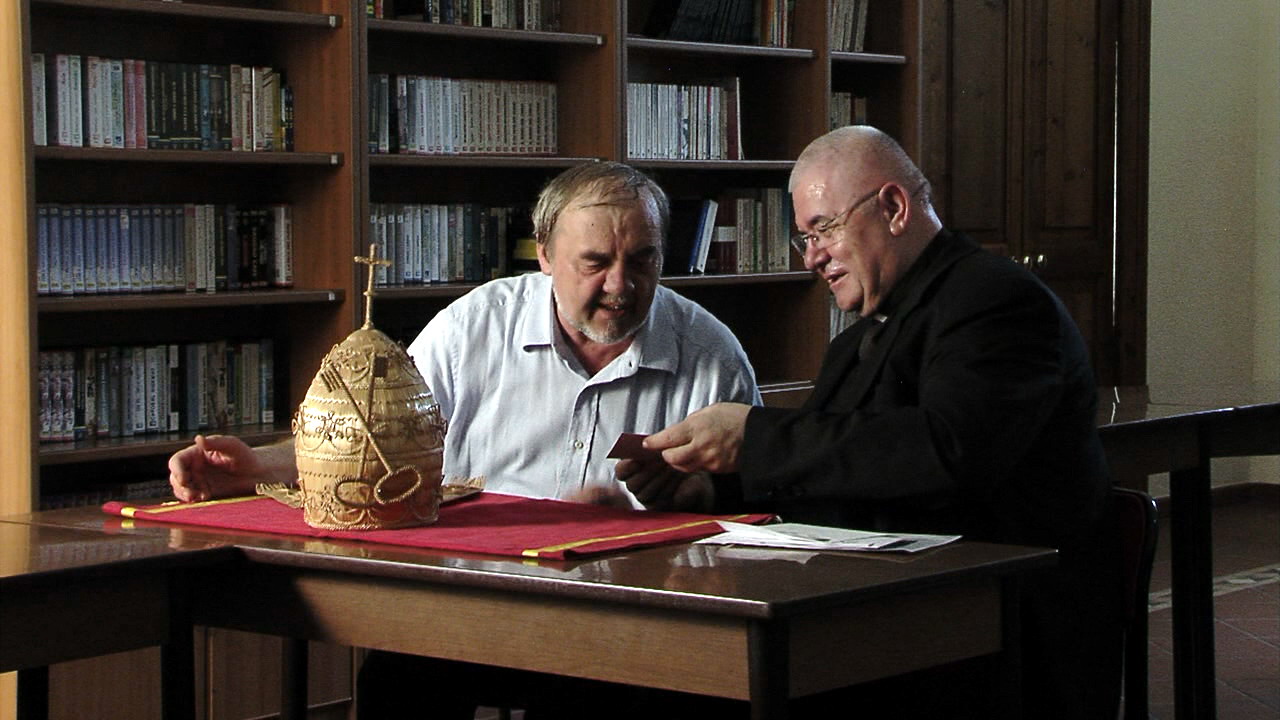
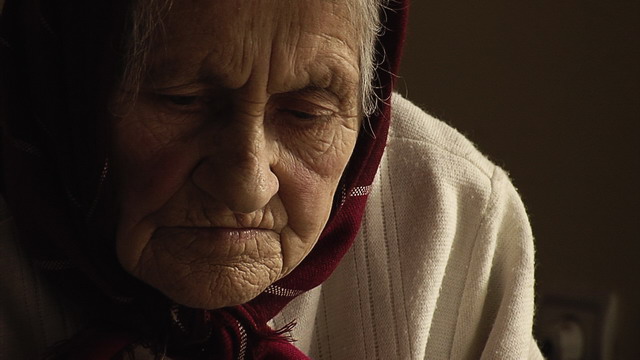
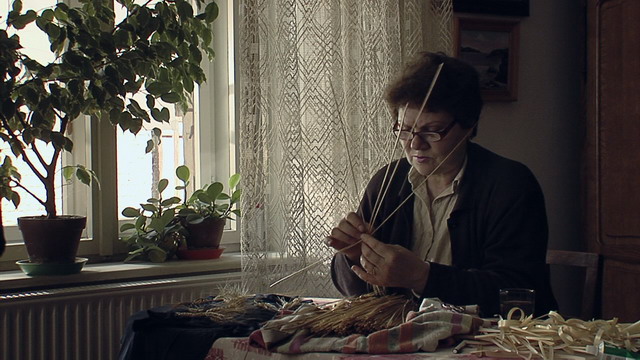
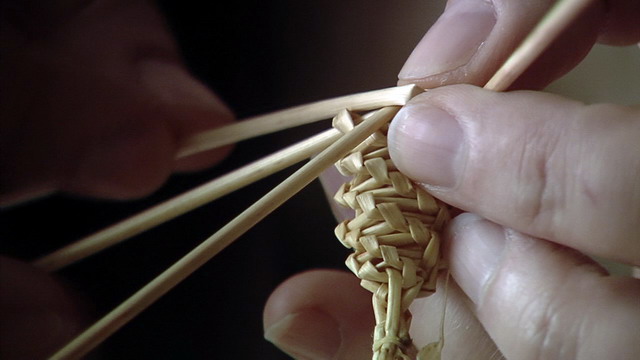
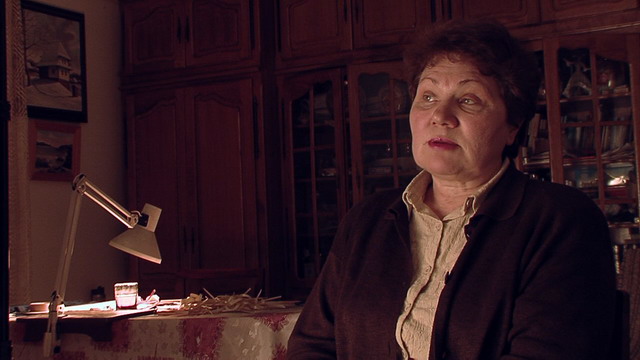
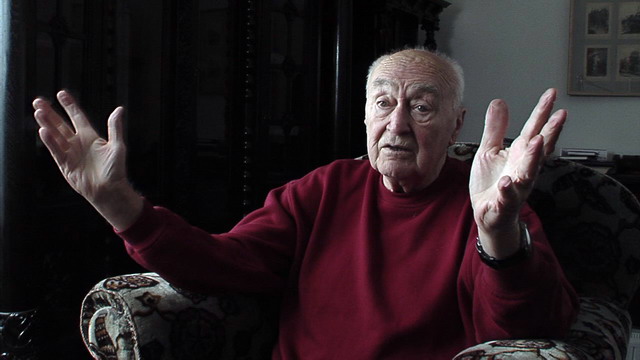
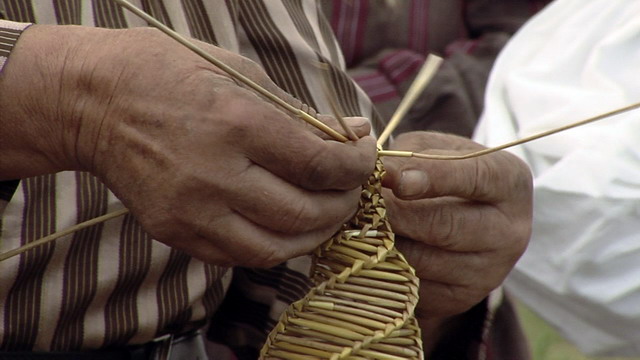
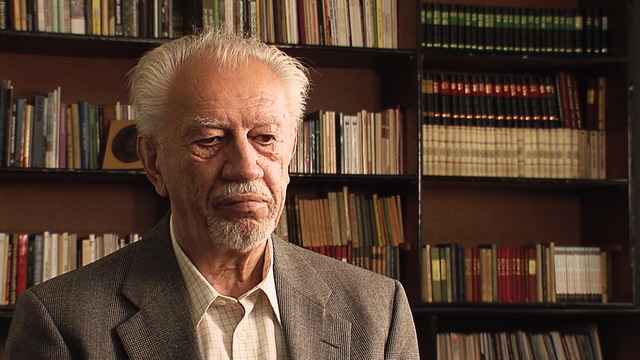
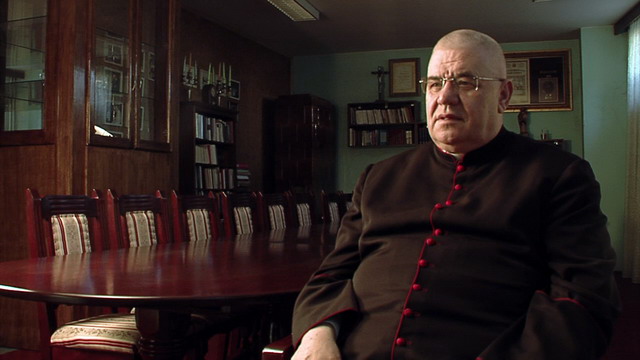
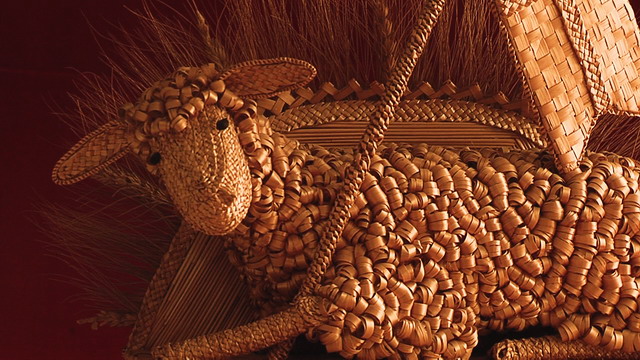
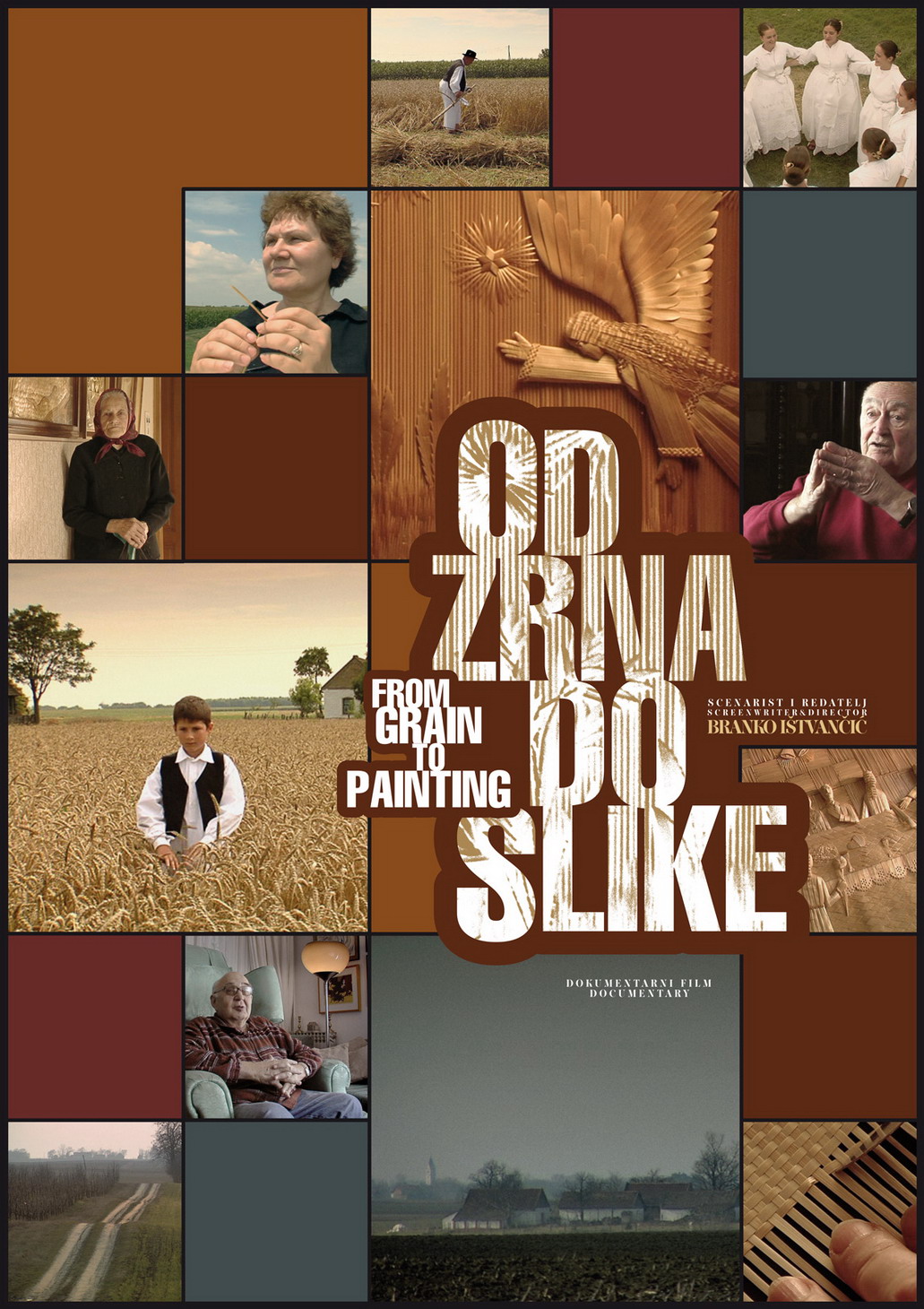
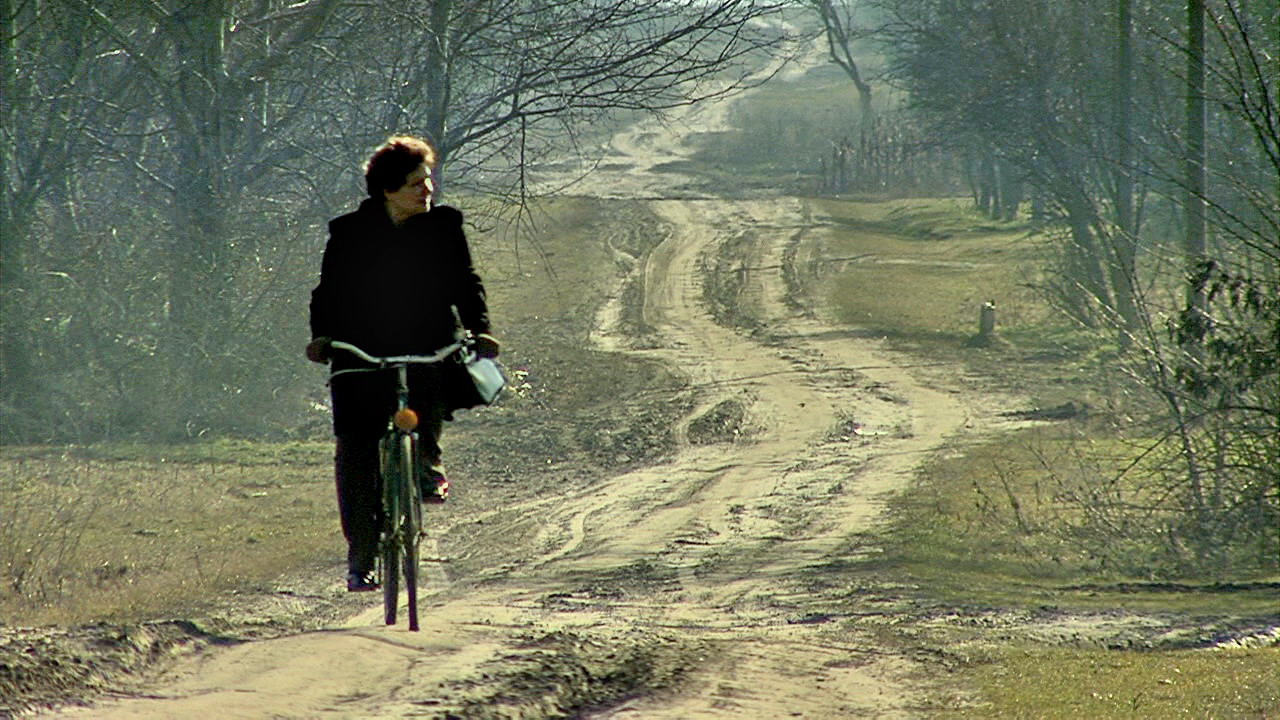
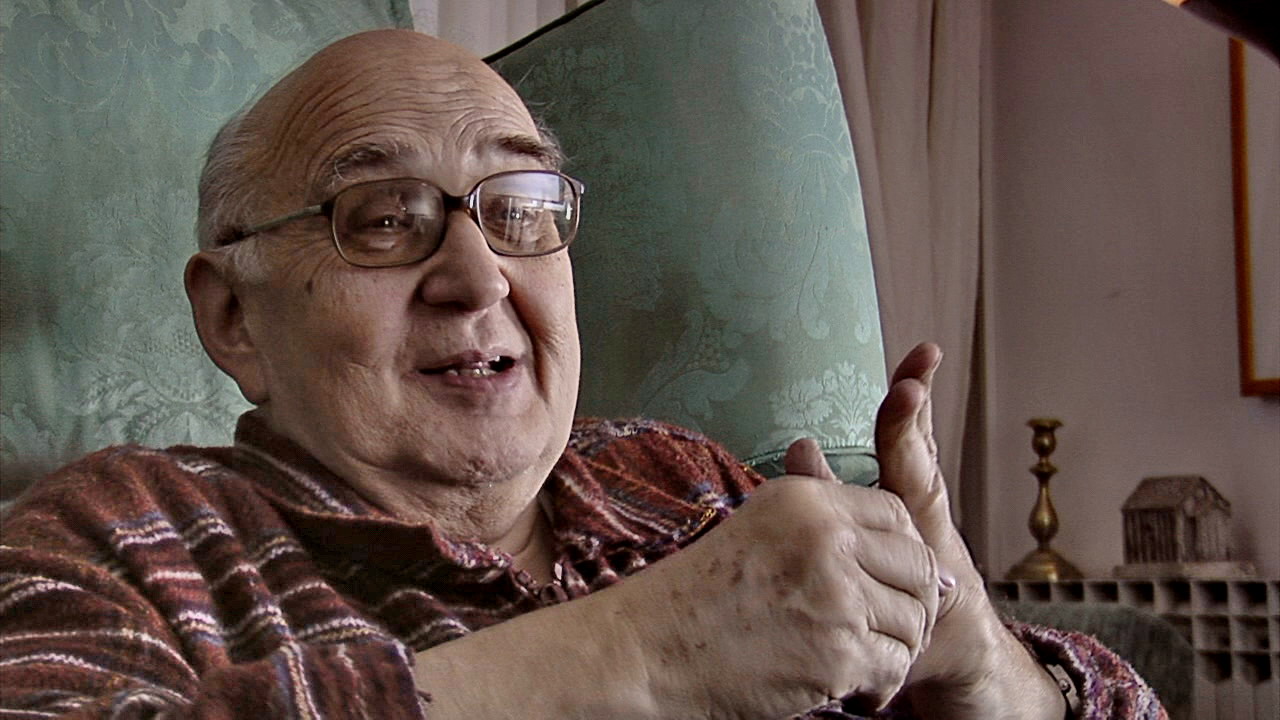
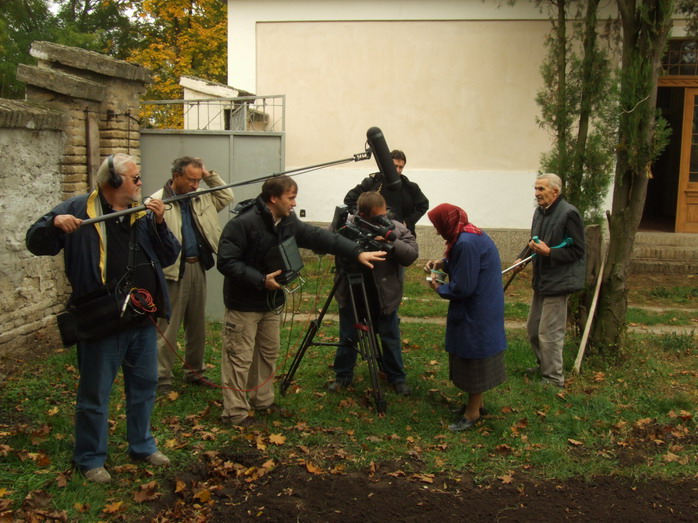
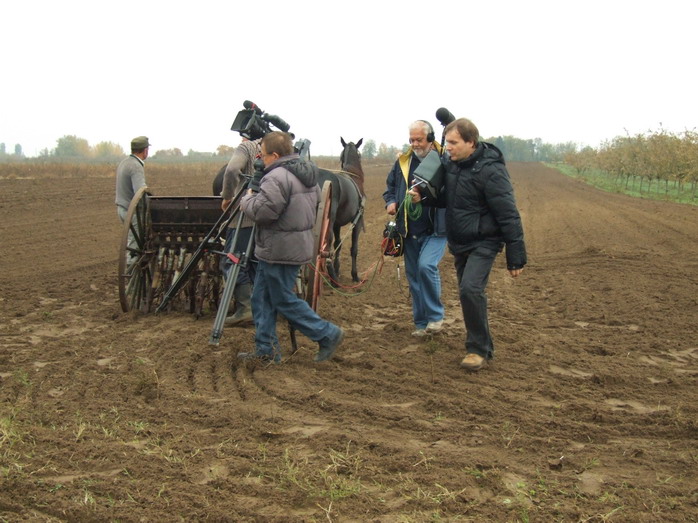
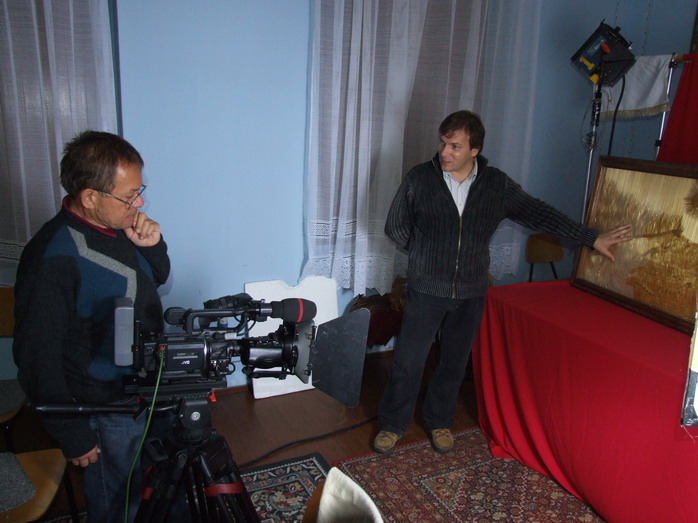
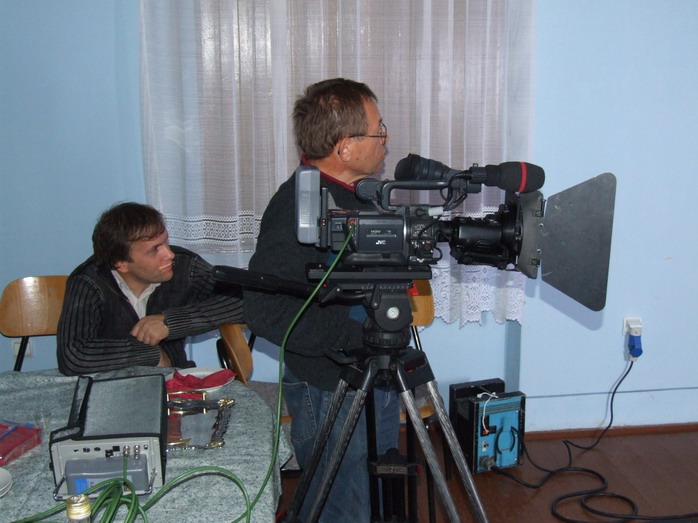
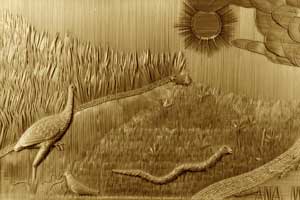
Documentary, duration 75 minutes Screenwriter and Director: Branko Istvancic A documentary about a neglected, marginalized minority in Serbia, forgotten by their country. The “straw girls” are anonymous Croatian artists of Bunjevci ethnicity who live in the north of the independent province of Vojvodina. They found straw to be the “green” medium of choice for creating paintings, sculptures and applied art objects as an antidote to their difficult life on the vast Pannonian plain. With commentary by artists Ana Milodanovic and Jozefa Skenderovic, art historian Bela Duranci, priest Andrija Kopilovic and writer Naco Zelic, the film encourages the revival of an endangered art form. Filmmaker Branko Istvancic is originally from Tavankut, the region where the film takes place. It pays special attention to the poetic atmosphere and images in the film. For Istvancic, art and life are inextricably linked.
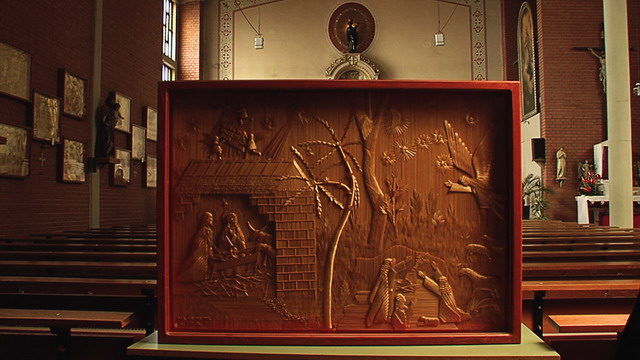
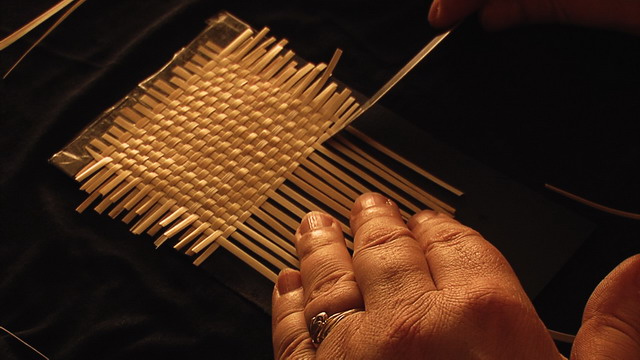
Documentary From Grain to Painting explores the culture and artistic expression of the Croatian national minority in Vojvodina region. The film focuses on straw-girls, folk artists from Backa, who found their medium of choice in ecological material of straw, using it to create paintings, sculptures and applied art objects. The film depicts the connection between their everyday lives and artistic expression, their specific social and national position.
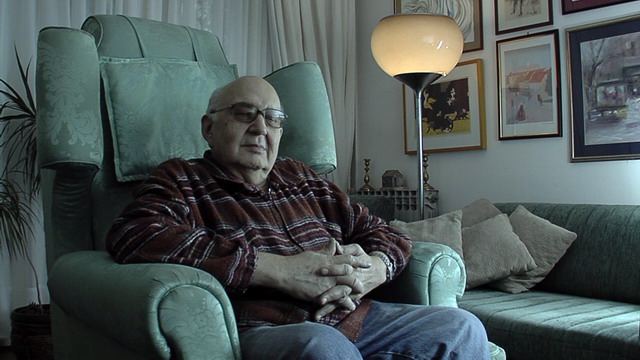
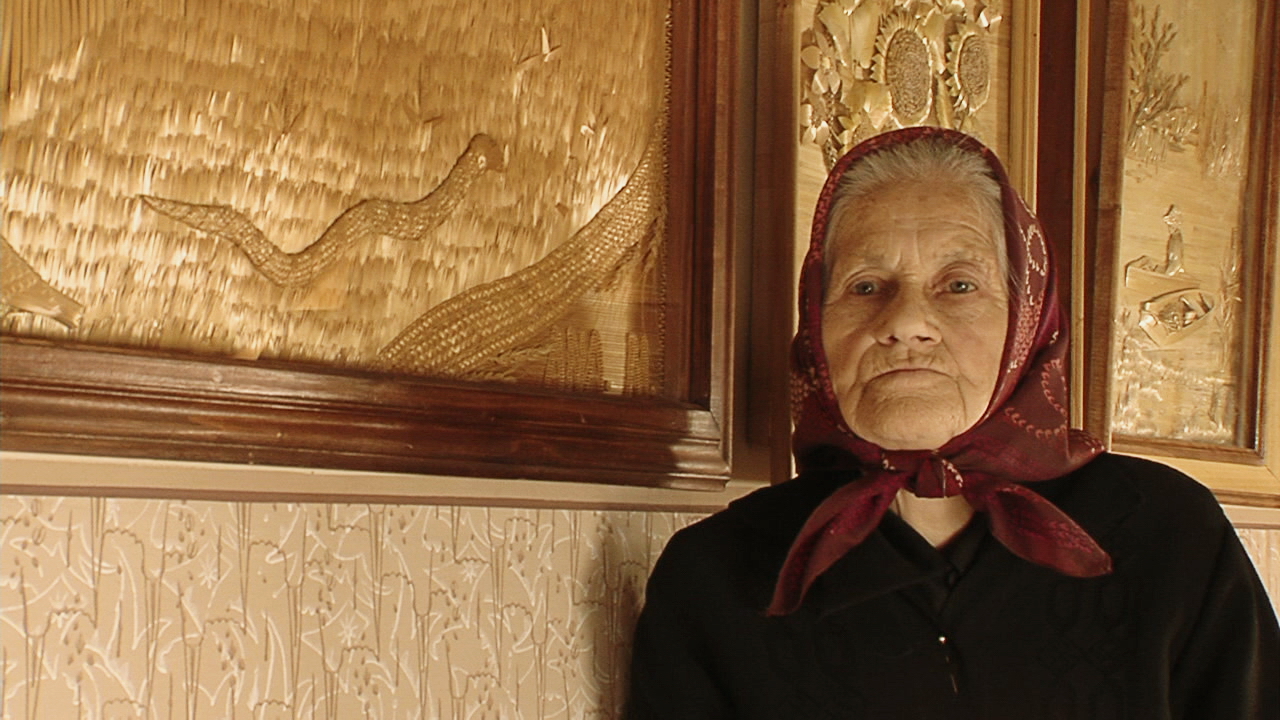
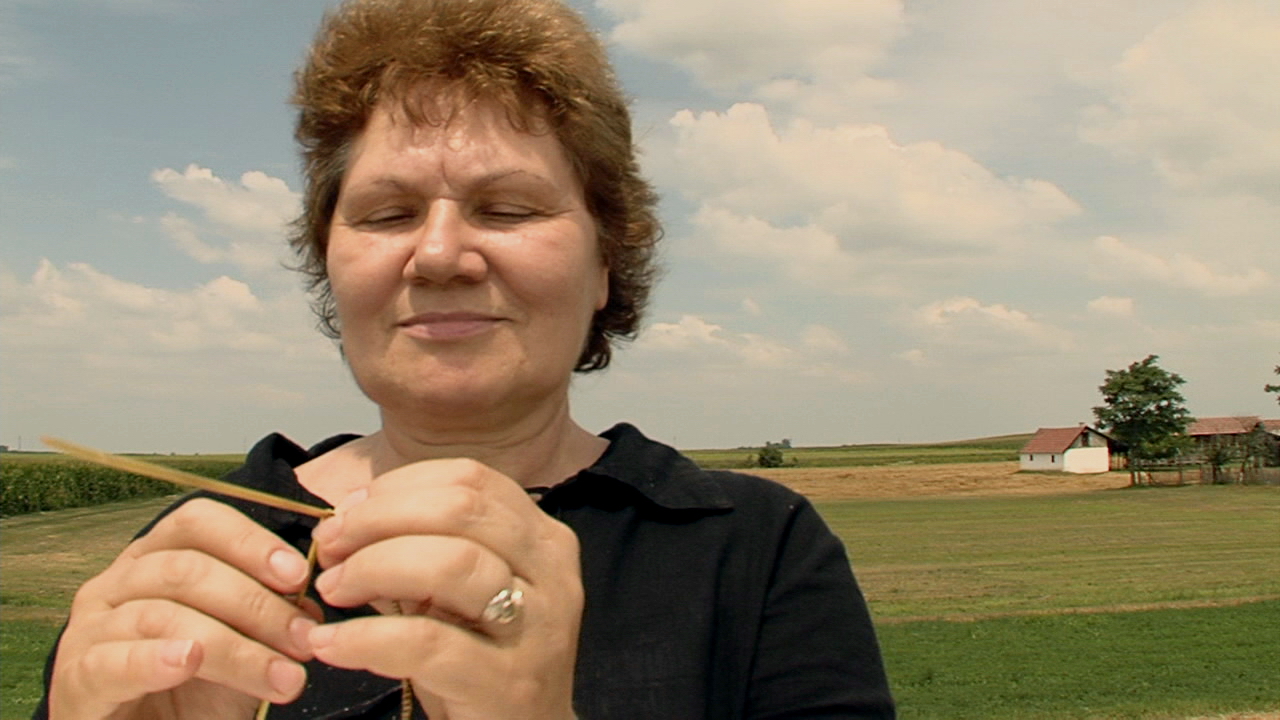
Main subject matter deals with minority issues, human rights, social justice and has international potential. The film protagonists are famous straw-girls Ana Milodanovic and Jozefa Skenderovic, art historian Bela Duranci, priest Andrija Kopilovic and writer Naco Zelic. Through a series of interviews and authentic footage, the film promotes a renaissance of this craft which slowly, but definitely vanishes.
A special accent was placed on the frame composition, its richness in content and meaning, authenticity of colours and visuality, as well as on the 'girls' paintings'. The message is clear: life and art are not separated; they comprise one unique life...
The Croatian minority in Serbia in the last years absolutely experienced the fact that culture depends on politics. From one side, from the aspect of the state, Croats in Vojvodina are good for obligations like paying Serbian taxes or for recruitment in the Serbian army, but not desirable when mentioning it as a new minority after ex Yugoslavia because of special rights. From the other hand, in the Croatian community, the culture strongly reflects the opposition of two sides: the Croatian political elite, and the Catholic Church. Luckily, the concept of culture includes also things like inspiration, creativity, imagination, which can also bring some valuable fruits.
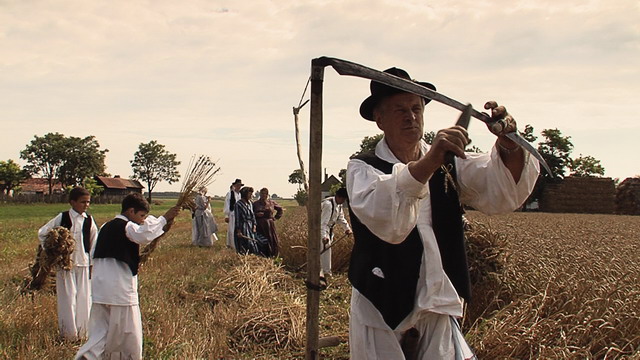
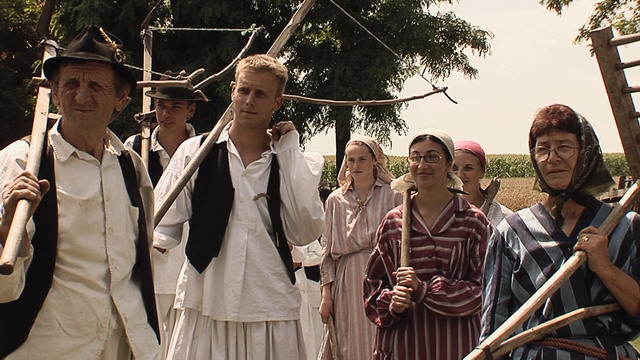
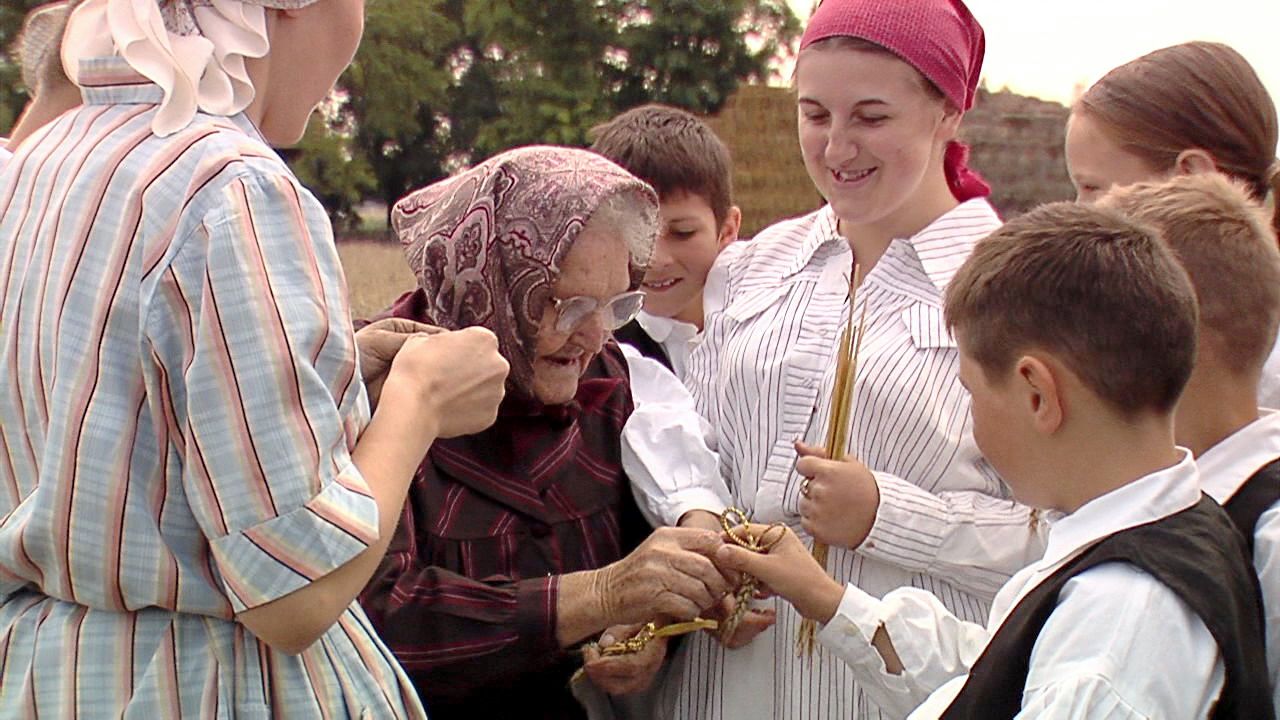
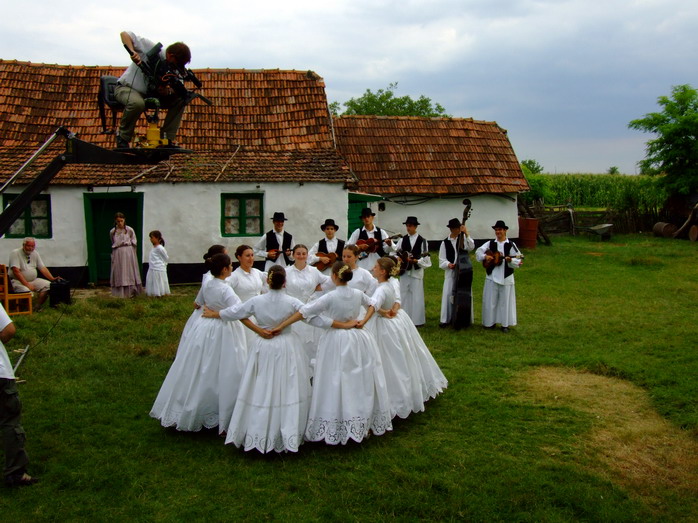
Writing about Bunjevci slamarke (strawgirls), a famous Tavankut and Croatian historian Ante Sekulic wrote that slamarke (strawgirls) "... have the need to artistically express their experience of the world around them, to make their hard life of fields, sun, dust, constantly bent back, and sweet more beautiful, that life of the black soil that is so crucial for their existence. They paint everyday life, but they always manage to give their experience a poetic touch... The work with straw makes them exceptional. Working with filigree precision... with brittle golden material, they achieve completely surprising atmosphere and effects..." Just like for the Sokci in Slavonia, Baranja, Srijem in Croatia or Backa in Vojvodina, for the Croats minority - Bunjevci in Serbia and Vojvodina everything begins with hard, toilsome work and self-sacrifice and where there is a lot "sweat and tears" there is the beginning of creativity: a rich and diverse traditional culture, indestructible, the peculiar and recognizable croatian dialect called "ikavica", the customs, songs, dance, music, fine arts... Duzijanca - a working family holiday celebrating the end of the wheat harvest - when the new bread is born, is a recognizable symbol of the Croatian Bunjevci customs. Every house and family of Bunjevci had its own duzijanca in the past, and with it a common gathering, socializing and fun. For weeks the reapers and the women gatherers - risari i risaruse, reaped the seas of yellow wheat - the vast grain bearing fields, ensuring teir future in the upcoming period. At the end of this toilsome work, the skilled women who make wreaths and various straw ornaments, would make wreaths out of wheat ears for the hat of the bandas (the leader of the reapers), and for all the other participants, they would make beads, rings and other jewelry... Useful link: http://www.matijagubec.org.rs/
The film was funded with the support of City of Zagreb, Croatian Audiovisal Centre (HAVC), Regional office for education and culture in Vojvodina (Serbia), Adris Foundation in Croatia and INA donation
|



|
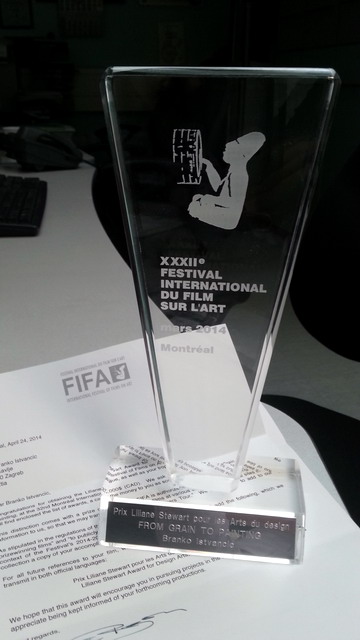
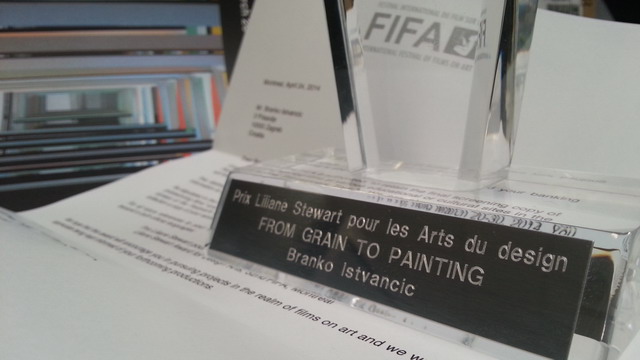
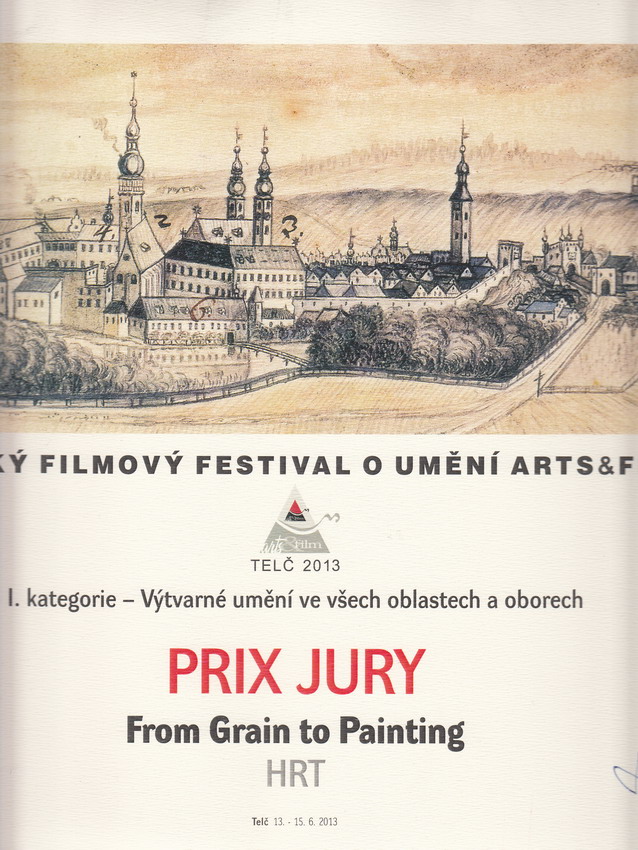
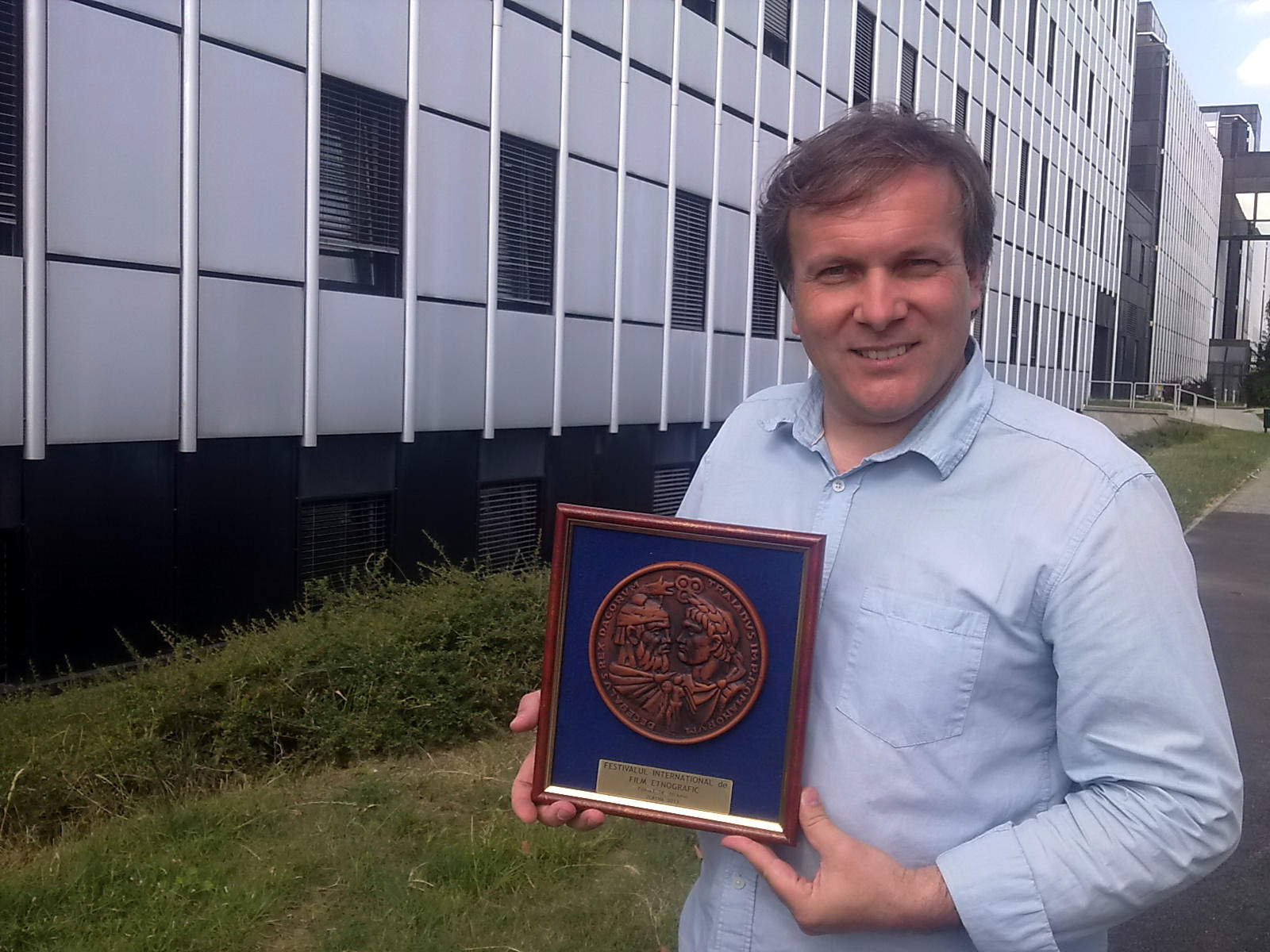
Festivals and awards: The Croatian minority in the Vojvodina region of Serbia has a signature crop—wheat—and a signature artistic style: amazingly intricate sculptures, reliefs and other decorative objects made of strands of wheat straw woven like fine cloth. Like an artist-explorer of the 19th Century, the filmmaker seeks to record and celebrate a cultural tradition that may soon become another casualty of modernity. French От зерна до картины В фокусе фильма "соломенные девушки", хорватские мастерицы из Воеводины (Сербия), которые являются чем-то вроде забытого чуда. Они свой идеальный способ выражения нашли в соломе, экологическом материале, который используют для создания красивых картин, скульптур и предметов прикладного искусства, как поэтическое описание тяжелой и одинокой жизни в сердце бескрайней Панонской равнины. В 1967 году Ана Милоданович получила золотую медаль за свою работу из плетеной соломы на международной выставке наивного искусства в Москве.
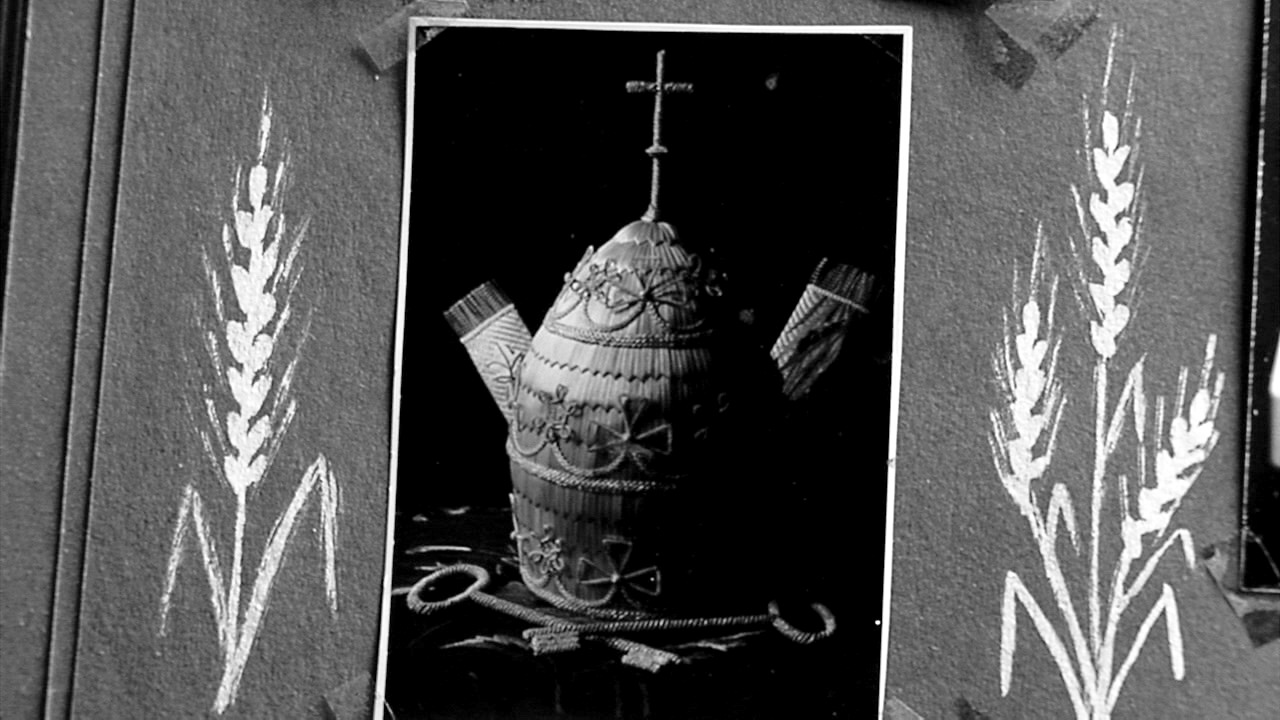
From Grain to Painting Croatian female naive artists (Bunjevci) in the north of today's Vojvodina are something like forgotten miracle. The name "straw-girls" is derived from straw which weaving for making beautiful and poetic description of their hard and lonely minority life at home in immense Panonian golden plain in rest of the ex Yugoslavia. Main subject matter deals with environmental arts, minority issues, human rights, social justice and has international potential. At the 1976 international exhibition of naive art in Moscow Ana Milodanovic won the gold medal with her work with straw weaving. Also, Kata Rogic had exceptional honour to present her work to Pope Paul the 6th in Vatican in 1964.
Du grain au tableau Les < filles de la paille > sont des artistes anonymes croates, de l'ethnie Bunjevci, qui vivent dans le nord de la province autonome de Voivodine. Des miracles oubliés : elles travaillent et entrelacent la paille pour décrire la beauté et la poésie de leur vie dure et solitaire, une cabane perdue dans l'immensité de la plaine dorée de Pannonie, agrémentée d'un puits et de quelques arbres. Ce matériel léger et délicat leur permet de reproduire la nature qui les entoure : les champs, le soleil, la poussiere, les échines courbées et la vie, qui pulse sur cette terre qui est leur monde. Un tableau poétique et personnel sur la vie quotidienne de ces artistes. Un documentaire sur une minorité ignorée, marginalisée en Serbie et oubliée par leur patrie.
Dal chicco al quadro Le "ragazze della paglia", sono semplici artiste croate del gruppo etnico Bunjevci, che vivono nella parte settentrionale della Voijvodina. Sono un miracolo dimenticato: intrecciano la paglia per descrivere la bellezza e la poesia della loro vita solitaria trascorsa in casa, una capanna immersa nella distesa dorata della Pannonia, con qualche albero e il solito pozzo. Questo materiale leggero e fragile permette loro di raccontare il paesaggio che le circonda, i campi, il sole, la polvere, le schiene curve, la vita pulsante su quella terra che per loro e tutto. Ritratti di vita quotidiana con un poetico tocco personale. Un documentario su una minoranza croata ignorata e marginalizzata in Serbia e dimenticata in patria.
|