TOUT ETAIT UN BEAU REVE - LE "FRENCHIE" DE VUKOWAR
Le documentaire "Tout était un beau reve" observe les événements du début de la guerre d'Indépendance en Croatie, l'arrivée du jeune Français Jean-Michel Nicolier en Croatie, son combat, le tragique de la défense de la ville de Vukovar ainsi que sa mort martyr a Ovčara. Son histoire est présentée a travers les yeux de sa mere Lyliane Fournier. Dans le film on suit sa recherche d'informations a fin de trouver la dépouille mortelle de son fils.
IT WAS ALL JUST A GOOD DREAM - THE FRENCHMAN FROM VUKOWAR
Shocking, intimate and moving documentary examines the events from the time of the war in Croatia and the arrival of the young French volunteer Jean-Michel Nicolier in Croatia. We follow his fighting in the hearth of the tragic battle of Vukovar and the agony and torture that he suffered at Ovcara. His story is presented through the eyes of his mother Lyliane Fournier. We see her searching for any piece of information which could help to find the mortal remains of her son.
------------------
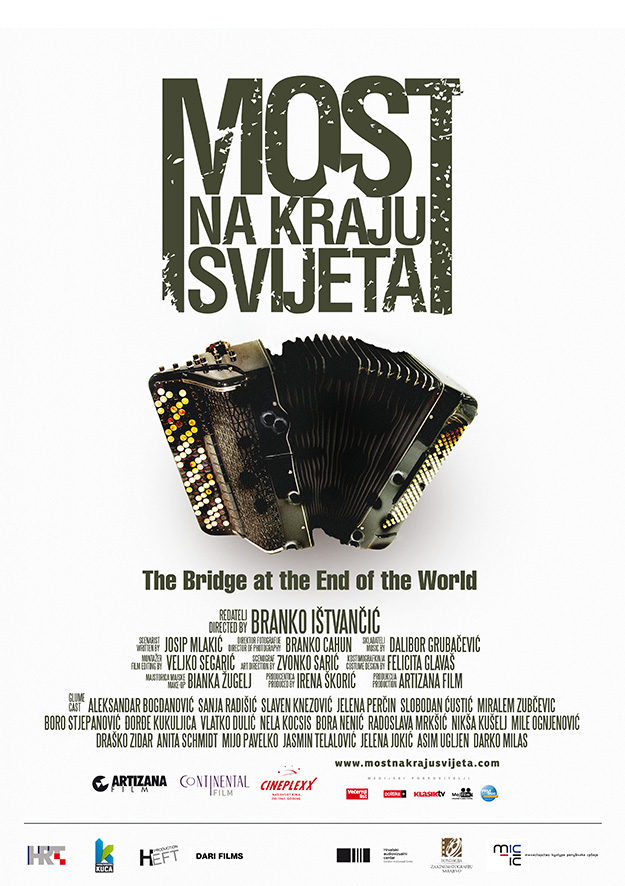
Original title:
Most na kraju svijeta
English title: The Bridge at The End of the World
French title: Le pont au bout du monde
Production Artizana film Zagreb Croatia
Co-production Kinematografska kuca Belgrade Serbia, HEFT production Sarajevo Bosnia and Herzegovina, Dari films Paris France and Croatian radiotelevision
Croatia, Serbia, Bosnia and Herzegovina and France, 2013/2014,
Full length feature fiction film, duration 114 min.
Screening format
DCP 2K
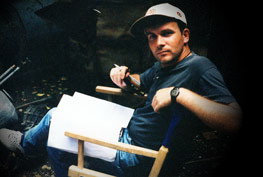
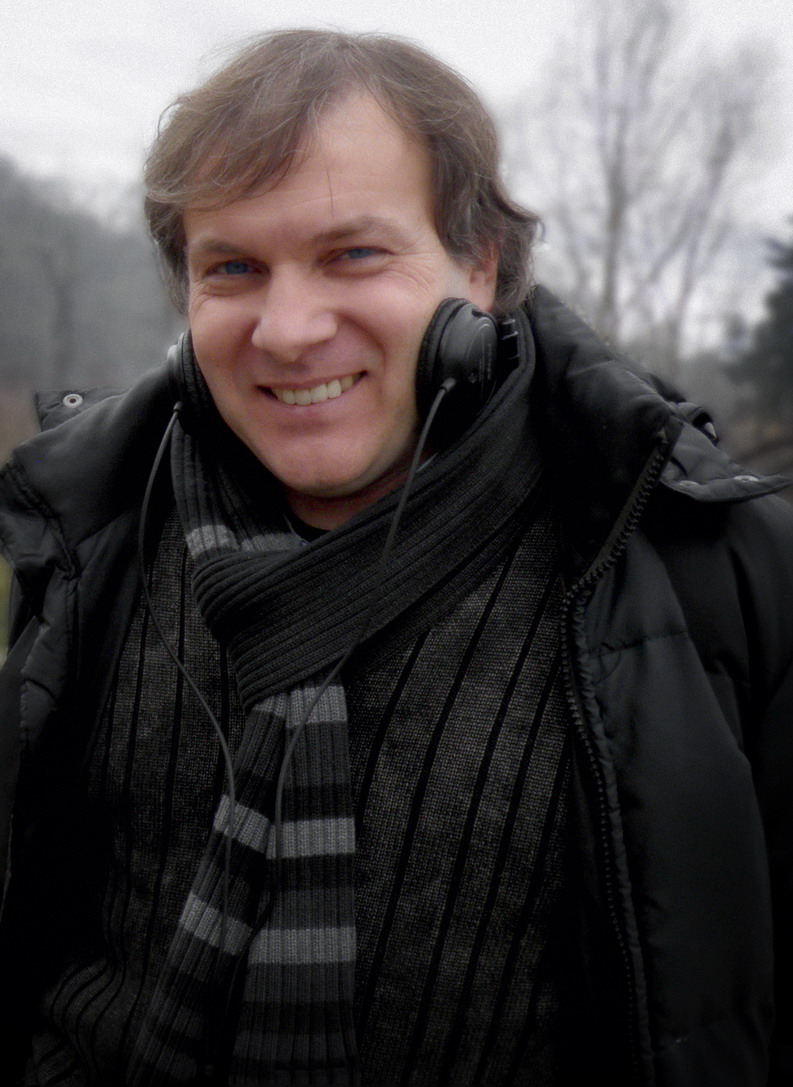
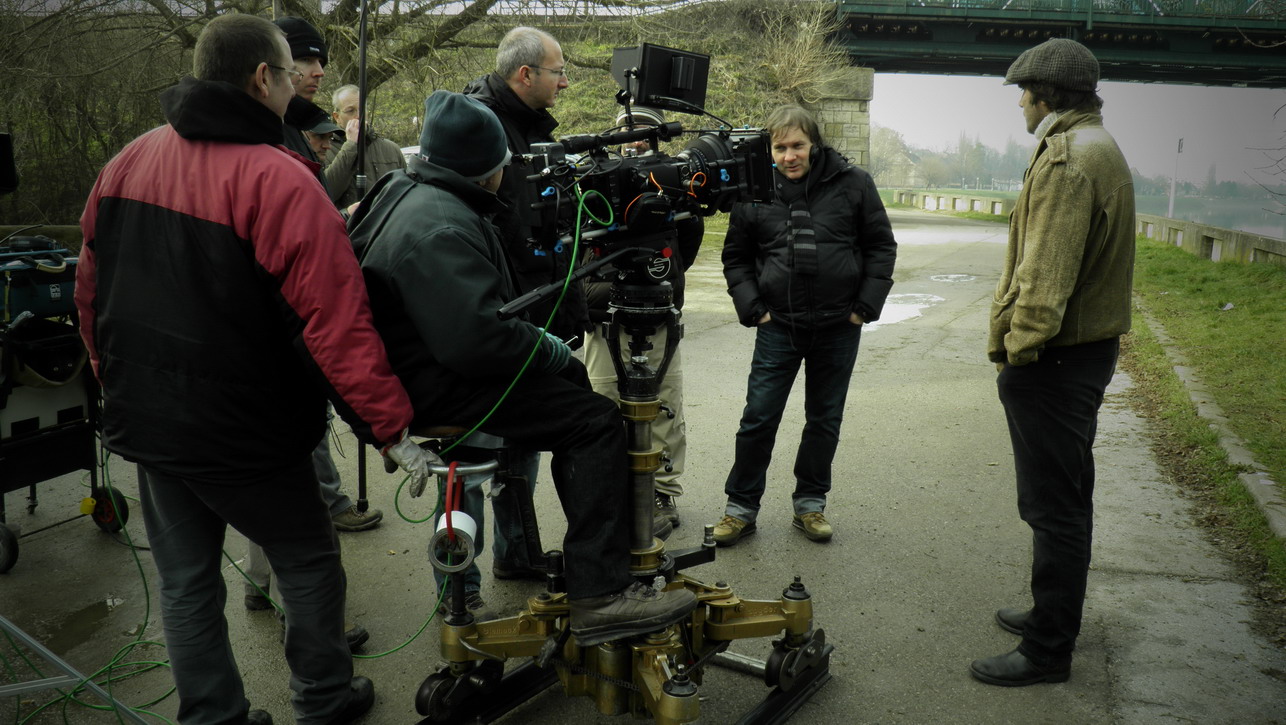
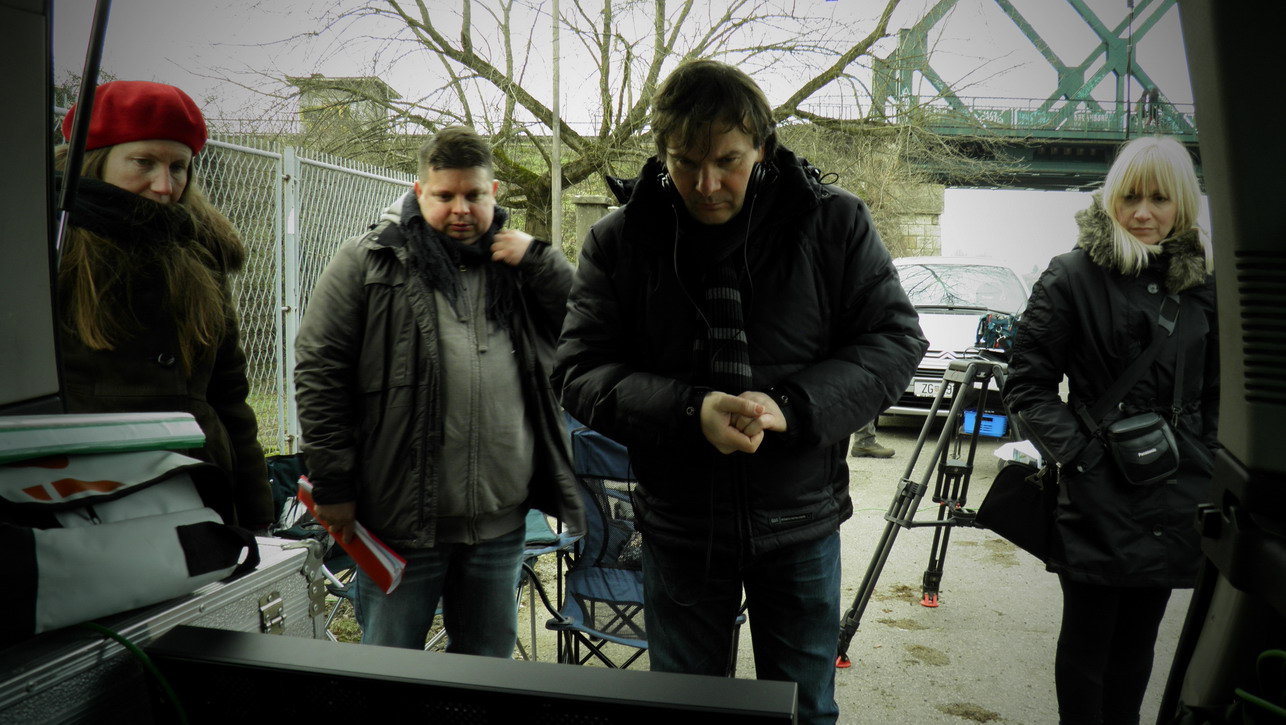
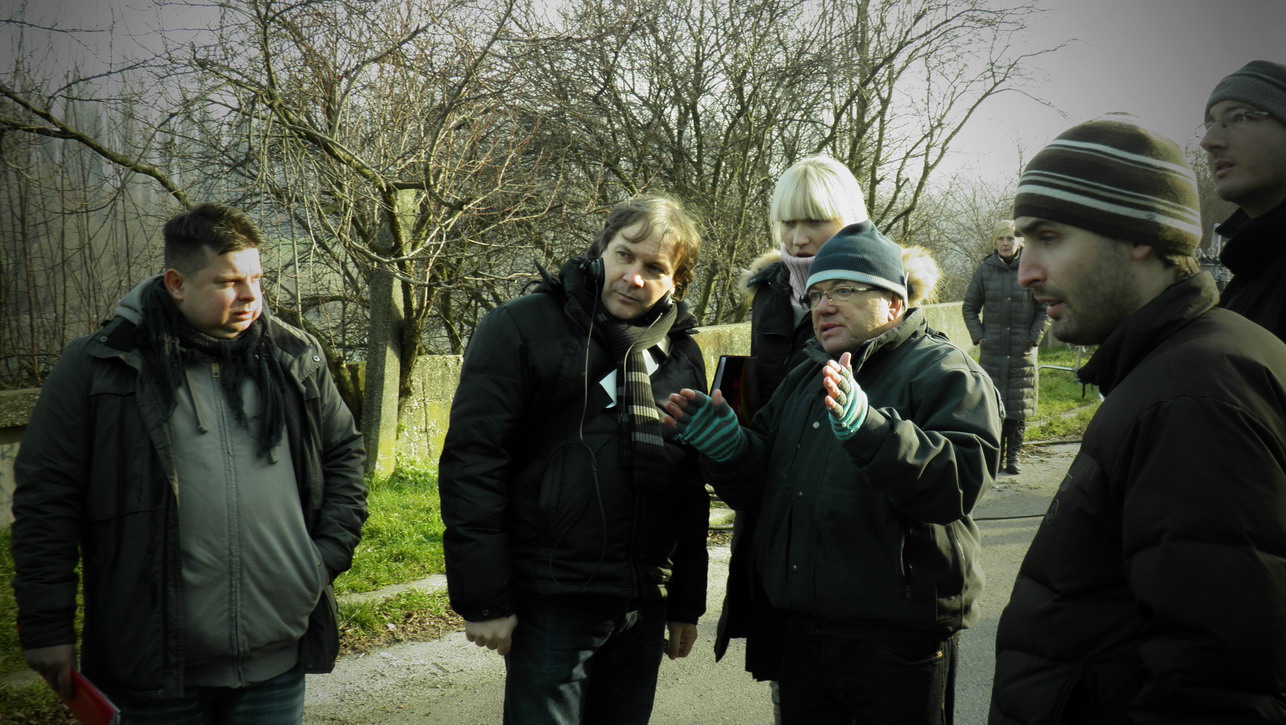
Director: Branko Istvancic
Screenwriter: Josip Mlakic
Producer: Irena Skoric
Director of photography: Branko Cahun
Art director: Zvonko Saric
Costume designer: Felicita Glavas
Editing: Veljko Segaric
Music composer: Dalibor Grubacevic
Cast: Aleksandar Bogdanovic, Sanja Radisic, Boro Stjepanovic, Slaven Knezovic, Jelena Percin, Vlatko Dulic, Nela Kocsis, Djordje Kukuljica, Slobodan Custic, Bora Nenic, Mijo Pavelko, Drasko Zidar, Rada Mrksic, Mile Ognjenovic and others
Logline
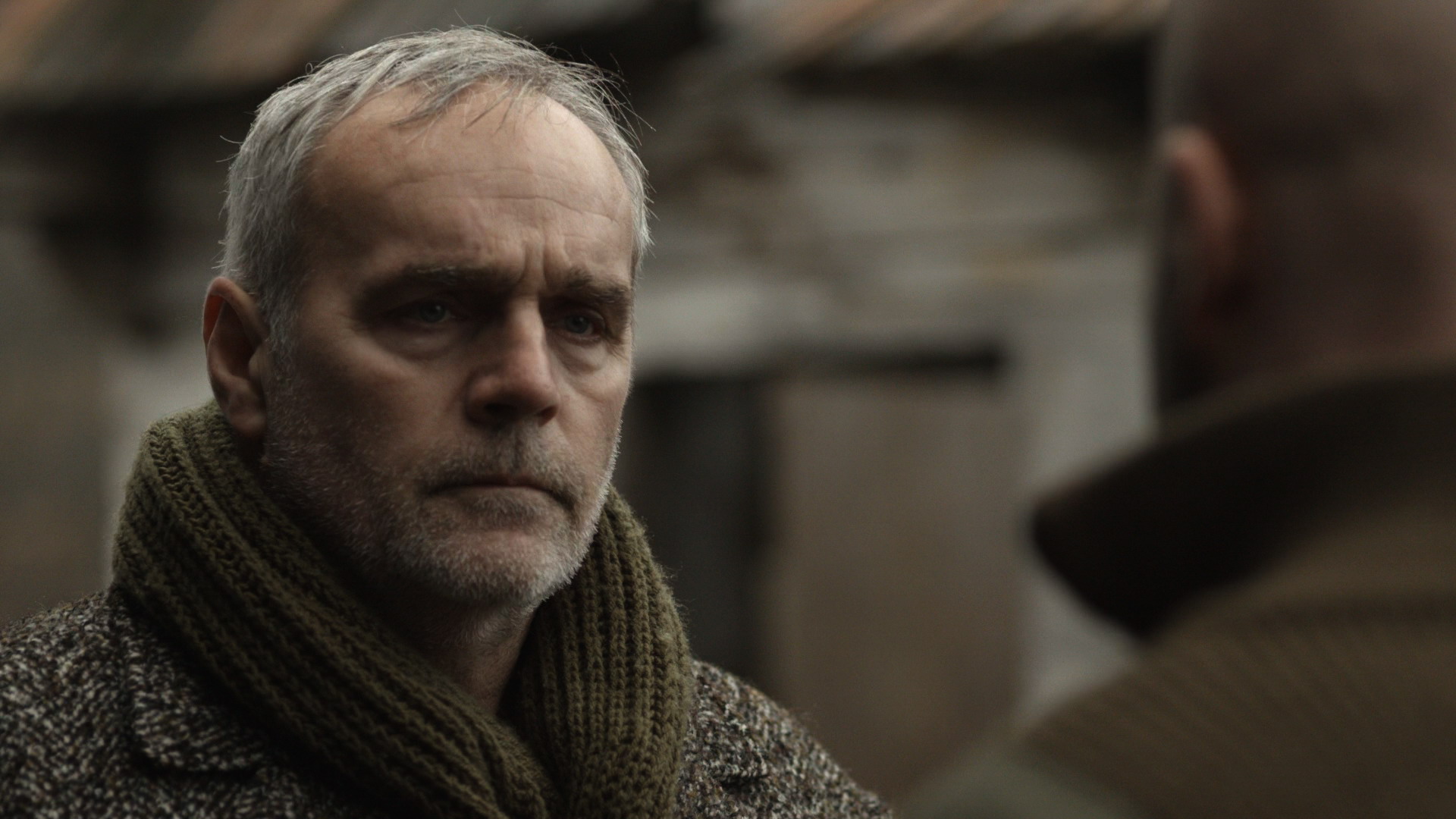
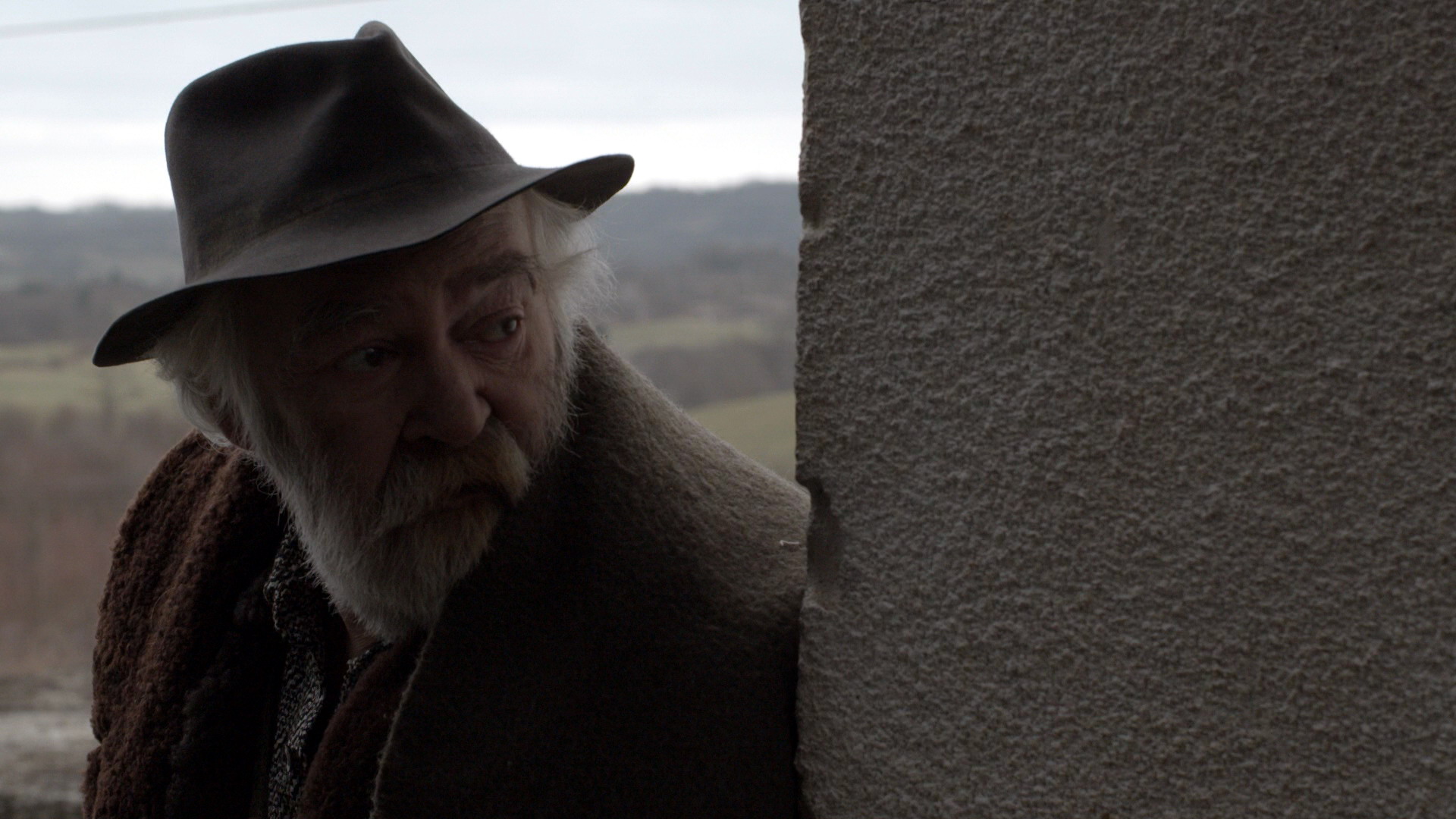
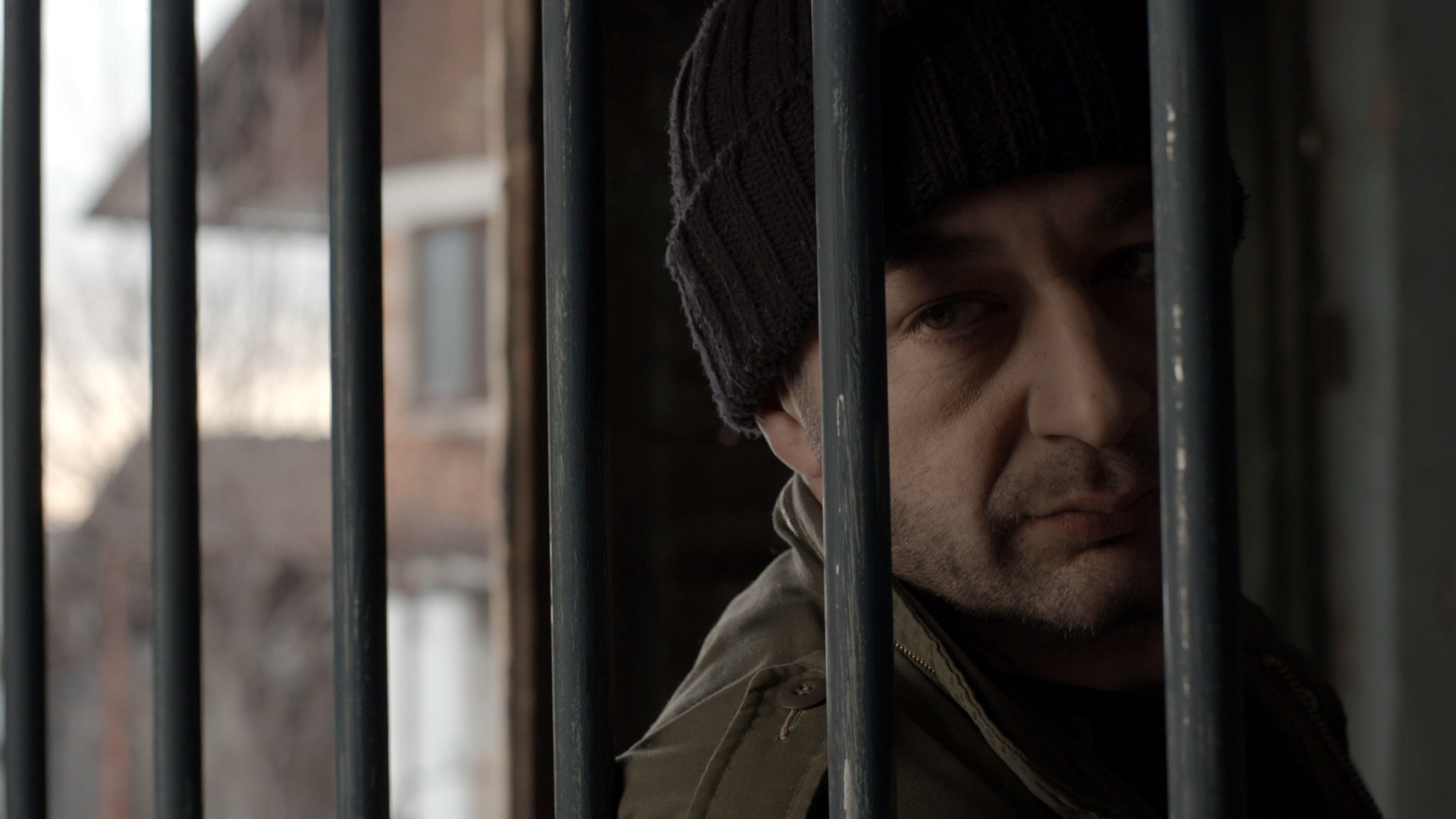
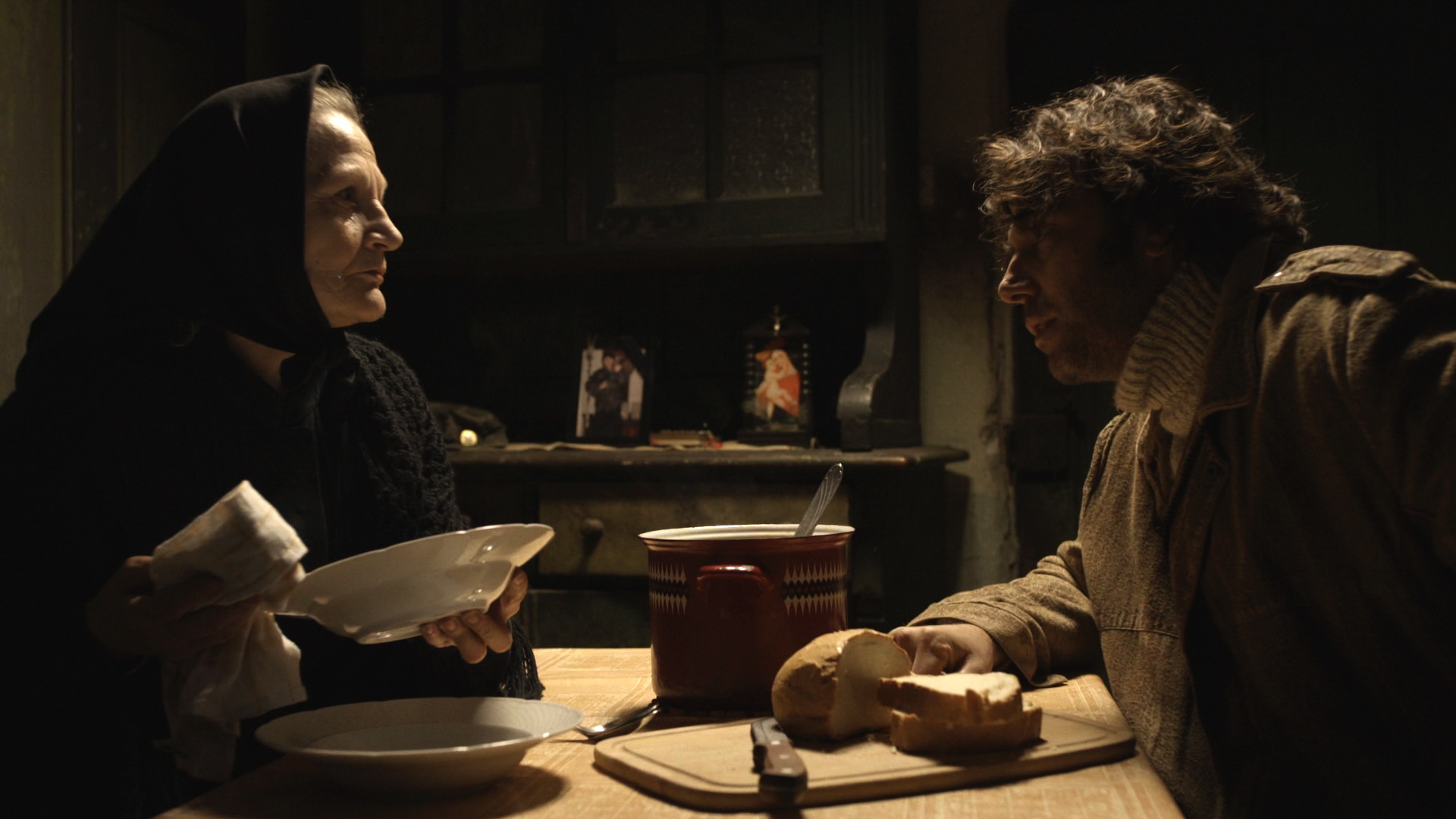
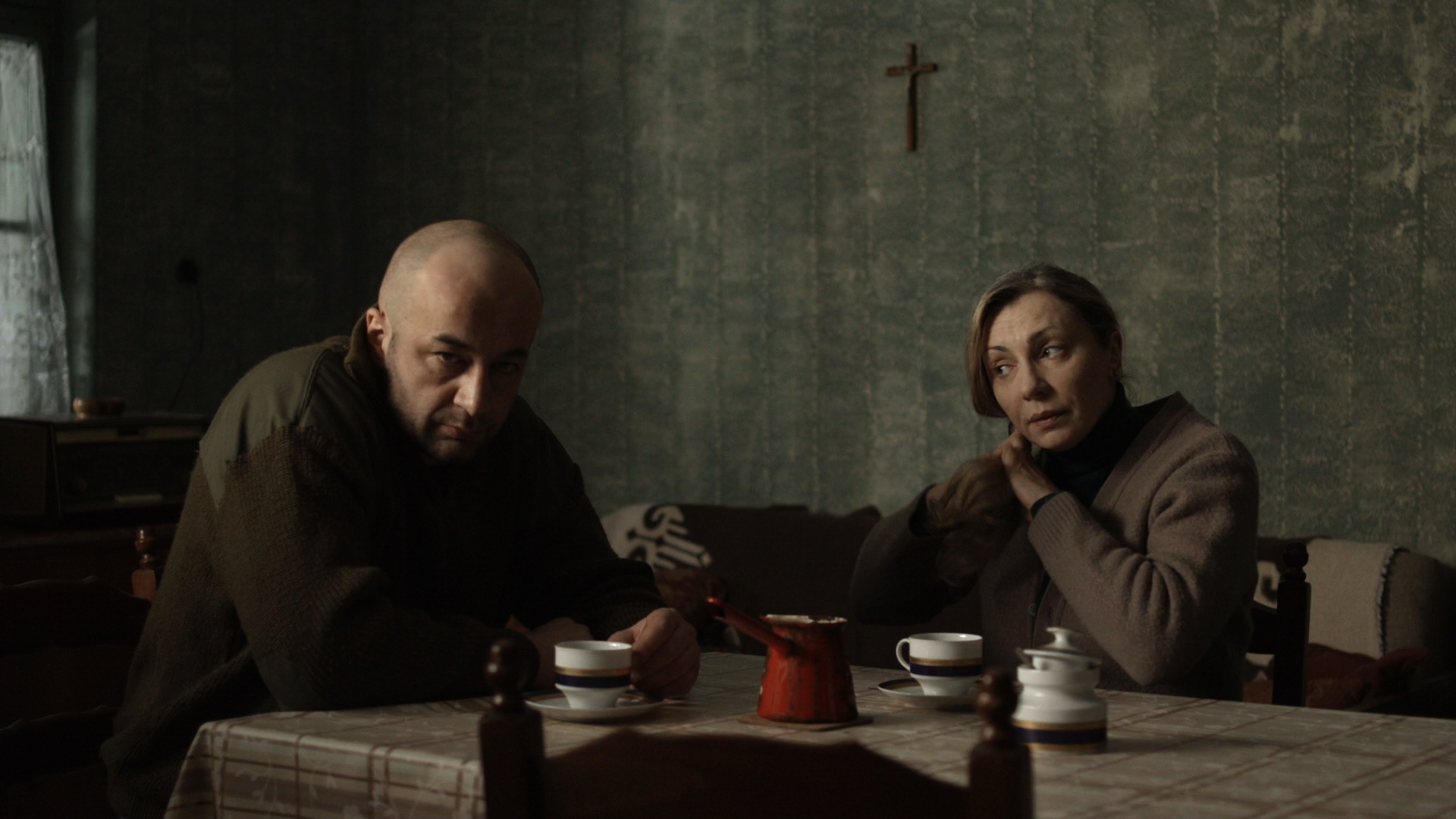
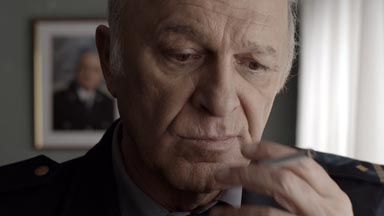
The film "The Bridge at the End of the World" deals with the unfortunate human destinies from the war in Croatia. In fear of the return of Serbian refugees to their houses in which they lived before the war and that in the meantime populated with Croat refugees from Bosnia, an old man disappears, and the investigation that starts from a police officer who lives in Serbian house, will become more personal.
Synopsis
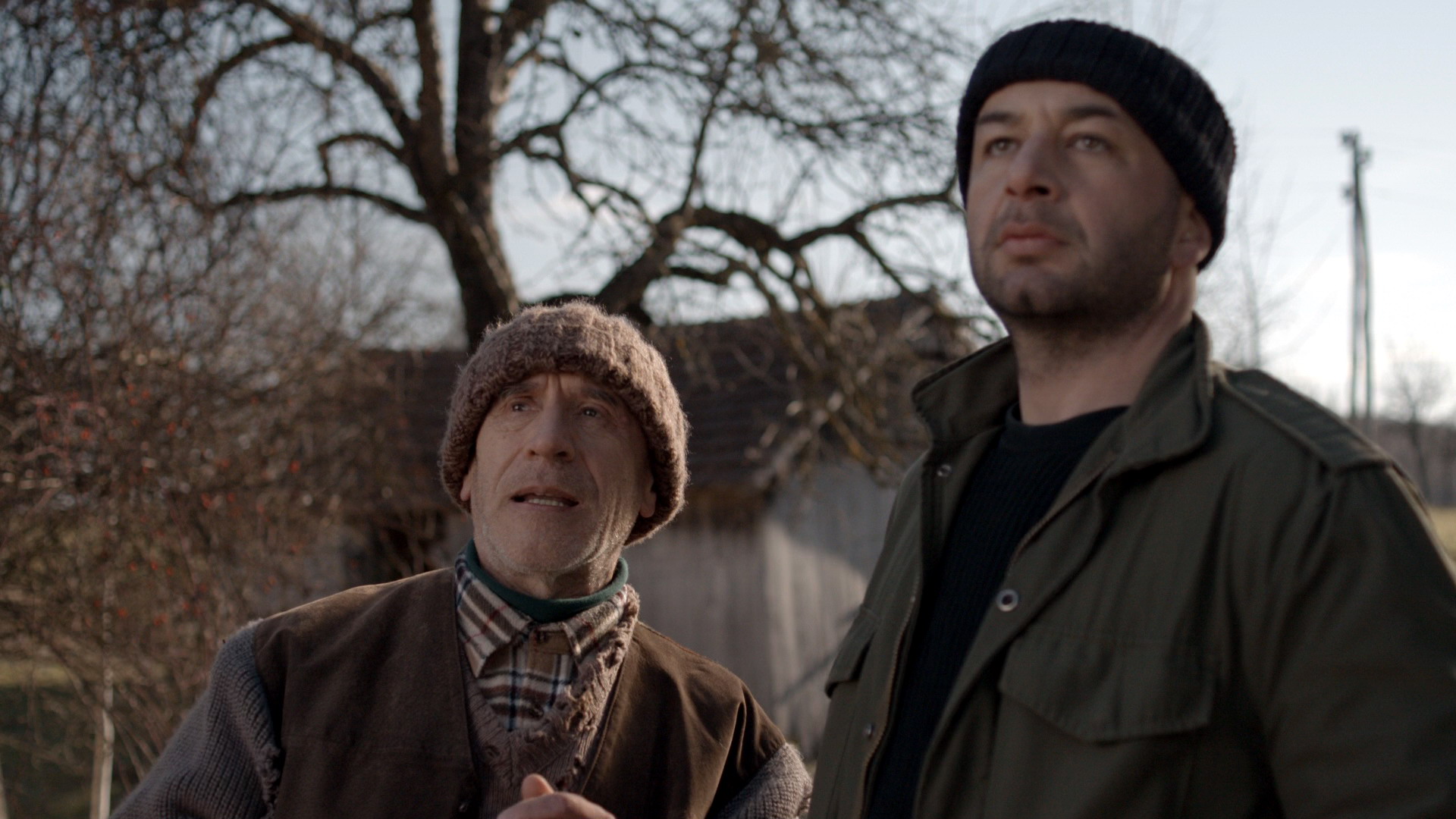
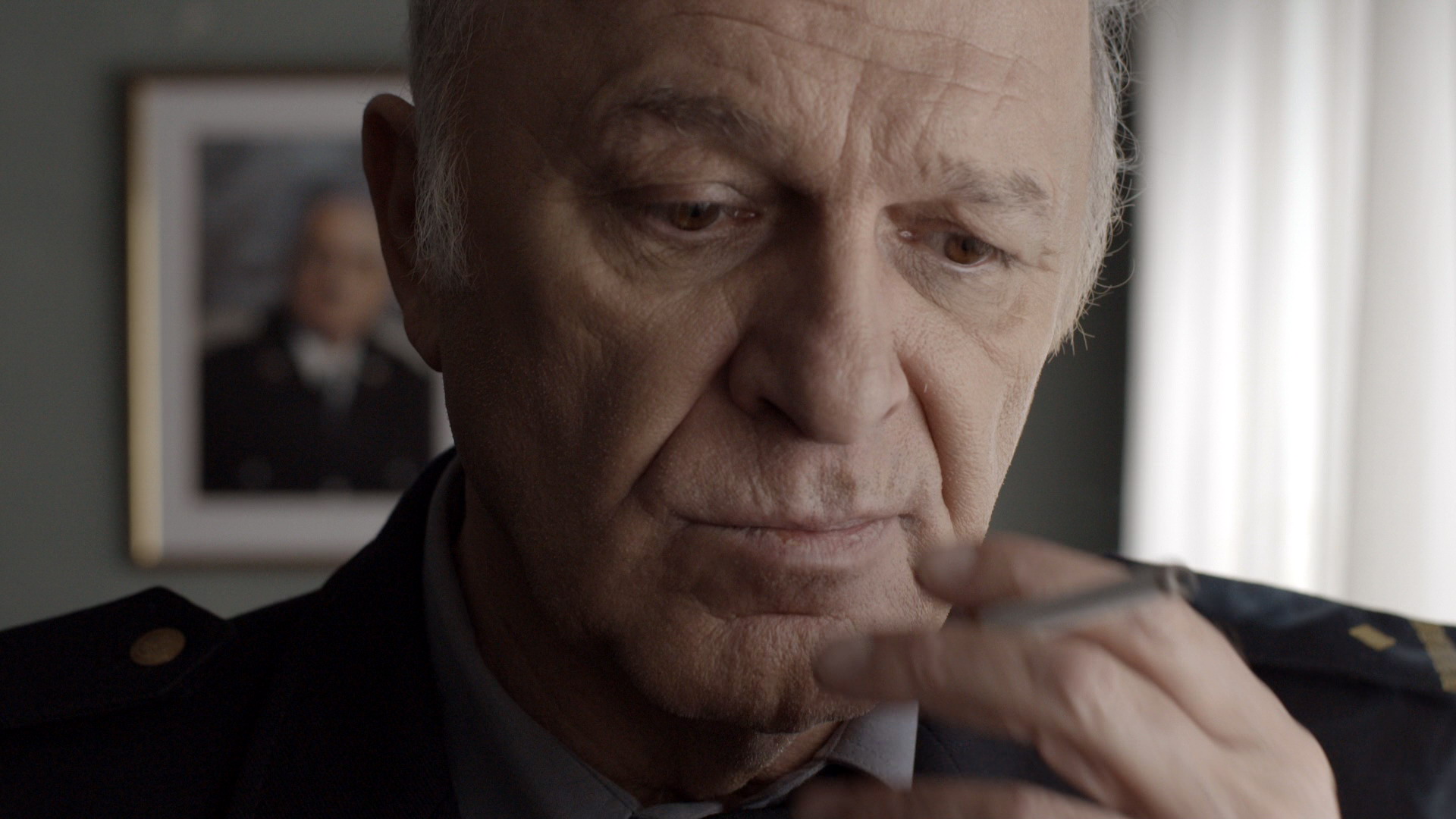
When the Croatian War of Independence ended, some villages of Bosnian Croats have been destroyed, and the refugees were re-housed in the homes of Croatian Serbs who had left Croatia. Now however, the Serbian owners are returning, and the Croatian residents face an uncertain future. Anger and hostility arise. Intolerance towards the returning Serbs lurks around every corner and they are welcomed with gunfire from AK-47s. Somewhere in this atmosphere of terror, an old man called Jozo, a Bosnian Croat, disappears without a trace. The police officer Filip, who also lives in a Serbian house, is entrusted with the case. Everyone believes that a returning Serb has murdered Jozo, but Filip launches a detailed investigation, determined to be unbiased and fair, even though he has his own ghosts from the past to deal with.
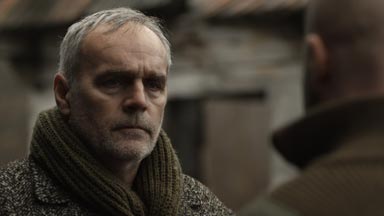
Branko Istvancic: A Bridge at the end of the world" tackles peoples' destinies in the post-war period. In a temporary refugee accommodation that in the end turns out to be permanent, in refuse containers turned into cafes where cognac is drunk from dirty glasses, unfinished houses with windows closed by plastic bags that are being visited by returning Serbs, destroyed roads swallowed by the mud. Though the people stand united in their poverty and misery, they are, however, distant from each other. In such a surrounding, in the midst of the winter and the mud, disappears an old man, who has been building a bridge on the dry land in order to make an indistinct feeling of nausea go away.
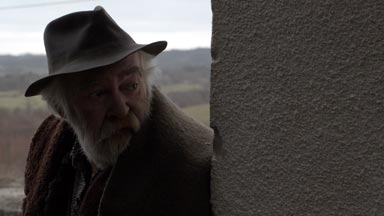
This film, besides the war repercussions, tackles in a dramatic way the complex attempt of the reconciliation of the Croats and the Serbs, focusing on the little people's destinies in the chaotic times that have caught hold of the area. The film's purpose is to show the tragic destinies of the little people without unnecessary politicization, i.e., how the characters of these, only yesterday peaceful and shy people, change after the war with their neighbours and how these people cannot face the fact that the return to their past lives is impossible and that they only need to forgive and forget. I tried to visualize the destiny of the Bosnian refugees, Bosnian Croats in Croatia, who have nothing, not even the hope that they will have something sometime. All they have is the past.
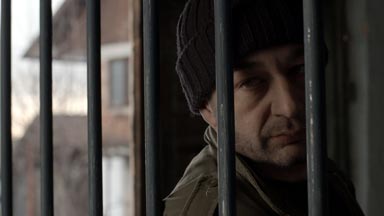
The project is financed by the support of Croatian Audiovisual Centre, with support of Ministry of Culture of Republic of Serbia in competition of minority coproduction and Film Foundation of Bosnia and Herzegovina
----------------------------------
Synopsis du film en français / Synopsis in French
La guerre est finie. Fuyant leurs maisons détruites, les Croates rescapés de Bosnie occupent celles abandonnées par les Serbes de Croatie. Un vieil homme, réfugié de Bosnie, disparaît sans laisser de trace. L'enquete est confiée a Filip, agent de police, installé lui aussi dans une maison serbe. Au départ, Filip porte peu d'intéret a l'affaire, mais il se rend bientôt compte d'y etre intimement lié. A travers le rapport avec son pere, Filip essaie de pénétrer les raisons de cette disparition. Au fur et a mesure que le film se déroule, l'enquete de Filip devient de plus en plus personnelle.
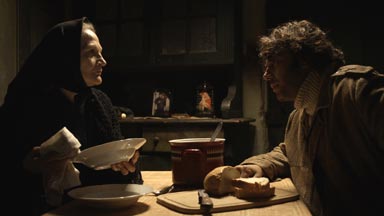
Le pont au bout du monde
La guerre est finie, la mort et la terreur ne sont plus une menace imminente. Pourtant, tout ce qui reste aux rescapés ne sont que des maisons incendiées, des vies détruites et des cimetieres.
L'heure est a la normalisation de la vie et au retour des réfugiés dans leurs foyers. Les Croates de Bosnie ayant fui leurs villages rasés au sol occupent maintenant les maisons abandonnées par les Serbes de Croatie. Ils se trouvent a nouveau confrontés a l'angoisse et a l'incertitude.
L'air est lourd de ressentiment et d'hostilité. L'intolérance envers les revenants serbes est manifeste: ils sont accueillis a coups de feu. Dans cette ambiance tendue se produit la disparition sans trace d'un vieil homme, Jozo, Croate de Bosnie. L'enquete est confiée a Filip, agent de police, réfugié lui aussi de Bosnie et installé dans une maison serbe.
Malgré l'opinion largement partagée selon laquelle Jozo aurait été tué et son corps fait disparaître par un revenant serbe, Filip entreprend l'enquete refusant de s'en tenir aux seules rumeurs. Il s'efforce d'etre impartial et objectif alors qu'il est aux prises avec ses propres fantômes du passé et sa rancune envers les Serbes.
Au fil de l'enquete Filip réalise a quel point la guerre et le morne quotidien ont affecté la nature des gens. La recherche d'indices le conduit a la découverte d'histoires de disputes familiales, au sujet notamment de la vente du peu qu'il reste du passé. Il apprend ainsi l'histoire de l'accordéon de Jozo, escamoté par le vieil homme afin d'empecher son fils de le vendre pour trois fois rien.
Il découvre aussi les restes d'un lieu de repos que Jozo avait aménagé sur un plateau de montagne a l'orée d'un bois, et puis inexpliquablement incendié. L'élément le plus énigmatique de ce lieu mystérieux sont les restes d'une construction improbable qui s'avere etre un pont.
En poursuivant ses recherches, Filip apprend l'histoire du "pont au bout du monde": dans le passé, miraculeusement rescapé d'une bataille en traversant un pont, un aieul de Jozo fait vou d'en construire un lui aussi. De retour dans son village de montagne en Bosnie, il érige un pont au milieu du bois, symbole de l'épreuve traversée et, comme tout pont, du lien qui unit les hommes. Le nom "pont au bout du monde" lui a été donné car en regardant par-dela le pont d'un banc voisin on aurait dit que le monde finissait la et que de l'autre côté il n'y avait rien.
Filip se rend compte qu'en investiguant la vie du vieil homme disparu c'est sa propre vie qu'il questionne, et particulierement le rapport avec son pere. Cette prise de conscience conduit Filip a se rendre en Bosnie, dans ce qu'il reste de son village et dans celui de Jozo.
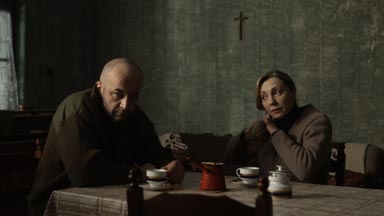
Apres avoir lu de nombreux scénarios traitant diverses questions sociales, je suis tombé sur le scénario du "Pont au bout du monde" qui m'a attiré par le sujet de l'emménagement dans les maisons des autres pendant la guerre et par une dramaturgie innovative de la situation du temps figé dans laquelle se sont retrouvés les habitants d'un village croate pres de la frontiere bosniaque a la fin de la guerre en Croatie. En effet, pendant le conflit ces gens ont emménagé dans les maisons des Serbes exilés qui sont partis vivre en Serbie. Ce qui a particulierement suscité mon intéret dans ce scénario dont transparaît en filigrane l'angoisse morale implicite des Croates vivant dans les maisons serbes, est la façon du scénariste Josip Mlakić d'y introduire des éléments poétiques liés au symbolisme des ponts. Chez lui, la fonction des ponts est de représenter, visuellement aussi, l'absence de communication et les rapports coupés entre les personnes. Ceci se réfere surtout a la fin du scénario ou le protagoniste, l'agent de police Filip, retrouve le vieil homme dont il investiguait la disparition, et ce dans une foret a côté d'un pont en bois symbolique tel que celui que le vieux avait construit et détruit, perçant ainsi le secret et le mystere d'une âme humaine de cette région. Pour cette raison, le film se doit d'etre authentique a tous les niveaux. La tâche est d'autant plus difficile qu'il s'agit de certaines particularités propres aux Croates venus de Bosnie s'installer dans les maisons serbes. Leur mentalité et leur vision du monde doivent etre restituées de maniere convaincante, et l'impact de la vie en Croatie discretement souligné. Cela se rapporte a tous les aspects de leur conduite et de leur action dans le cadre de l'histoire que raconte le film dans le sens des spécificités de leur maniere de prendre le café, d'aménager leurs maisons, de se comporter, etc. En outre, chez les personnages principaux du film doit transparaître imperceptiblement l'angoisse morale et la perte de tout espoir de trouver une solution a l'impasse. Ils ne peuvent pas rentrer dans leurs villages d'origine en Bosnie, mais ils ne peuvent non plus rester vivre dans les maisons serbes. Pour eux, le temps s'est arreté et dans ce temps figé ils s'efforcent désespérément de construire leur existence et leur avenir.
Ainsi, le drame existentiel teinté d'éléments naturalistes dominera ce thriller sombre qui s'éloigne des conventions habituelles du genre. Par une mise en scene entrelacée d'un secret et d'un mystere autour de la disparition d'un vieillard j'essaierai d'examiner le sort des hommes apres la guerre, des laissés-pour-compte dans un bled boueux pas loin de la frontiere bosniaque. Dans une telle ambiance de désolation, au milieu de l'hiver et de la neige fondue se produit un fait intriguant qui bouleverse tout le village: la disparition d'un vieil homme qui avait construit un pont sur la terre ferme pour se libérer d'un malaise indéfini lié au passé et échapper irrationnellement a sa propre angoisse morale. Tout le monde connaissaient le vieillard disparu et chacun pourrait hypothétiquement etre responsable de sa disparition, mais l'equeteur Filip a l'impression que les villageois qu'il intérroge cachent un secret dont il n'est pas au courant. Dans ce sens, le protagoniste Filip sera toujours dans un certain état de tension, aux prises non seulement avec les secrets cachés des villageois mais aussi avec ses propres démons et la haine au fond de son âme qu'il s'efforce de maîtriser.
Je suis de l'avis que ce film pourrait etre bien reçu par le public et les médias en tant qu'il aborde pour la premiere fois le probleme controversé de l'échange des maisons pendant la guerre. Cette idée de film originale est basée sur des événements réels, ce qui confere au film une originalité et une authenticité particulieres.
A travers un thriller plein d'intrigues sombres, de mensonges, de mauvaise foi et d'illusions des villageois, émergera leur hostilité envers leurs voisins, le passé sombre qu'ils veulent oublier, la stupidité et l'absurdité de la guerre a cause de laquelle ils se retrouvent obligés de vivre dans des maisons qui ne sont pas les leurs. Toutefois, il sera évident que les pires ennemis de nos personnages sont justement eux-memes. Dans ce sens, le film visera a créer une atmosphere dominante de trouble et de suspense constants dans laquelle évolue l'enqueteur non conventionnel Filip dans sa recherche du vieillard disparu Jozo. En résumé, je m'en tiendrai aux références dramaturgiques fondamentales dans lesquelles l'histoire est composée d'éléments de thriller et de drame existentiel. Par conséquent, le film adoptera un rythme plus lent et il sera caractérisé par l'état complexe du protagoniste en canalisant l'attention des spectateurs sur les conséquences de la guerre et sur le final a suspense. Etant donné mon choix de réaliser un thriller non conventionnel avec des éléments de mystique, je me servirai de moyens de mise en scene supplémentaires afin d'accentuer et renforcer le drame ou les sorts des hommes sont confrontés aux problemes émotionnels et psychologiques, tandis que tout le film sera centré sur le drame du conflit principal et sur la question: ou le vieil homme Jozo est-il passé avec son accordéon et pourquoi.
Les aspect poétiques et symboliques du film rélevent surtout de l'apparition des ponts qui marquent l'histoire s'inscrivant dans la meilleure tradition des films de Claude Chabrol et aboutissant ainsi a un film troublant sombre et pessimiste, mais avec des éléments liés aux détails humoristiques et a la maladresse de Filip dans son zele moral pour venir a bout de l'affaire du vieil homme disparu.
Mon but est de réaliser une histoire captivante ou s'entremelent les passions refoulées de haine, de cupidité et de jalousie, et en meme temps vériste en raison des événements réels sur lesquels elle est basée et que l'on pourra ressentir a travers la douloureuse vraisemblance du film. En bref, je voudrais non seulement raconter une histoire a suspense avec des éléments de mystere, mais aussi restituer cette beauté particuliere de l'atmosphere poétique d'angoisse, de souffrance et de misere humaine primaire liée a un sentiment de culpabilité indéfinie qui peut se rattacher a une symbolique religieuse (biblique).
Branko Istvancic
|